Dental insurance billing can be complicated, and one area that often causes confusion for dental offices is non-covered benefits. Misunderstanding how these benefits work can lead to incorrect adjustments, lost revenue, and inaccurate patient balances.
Many offices assume that if an insurance company does not pay for a procedure, it must automatically be considered a non-covered benefit. In reality, that is not always the case. Understanding the difference between a service that is truly not covered and a service that is covered just simply not payable is essential for accurate billing.
What Is a True Non-Covered Benefit?
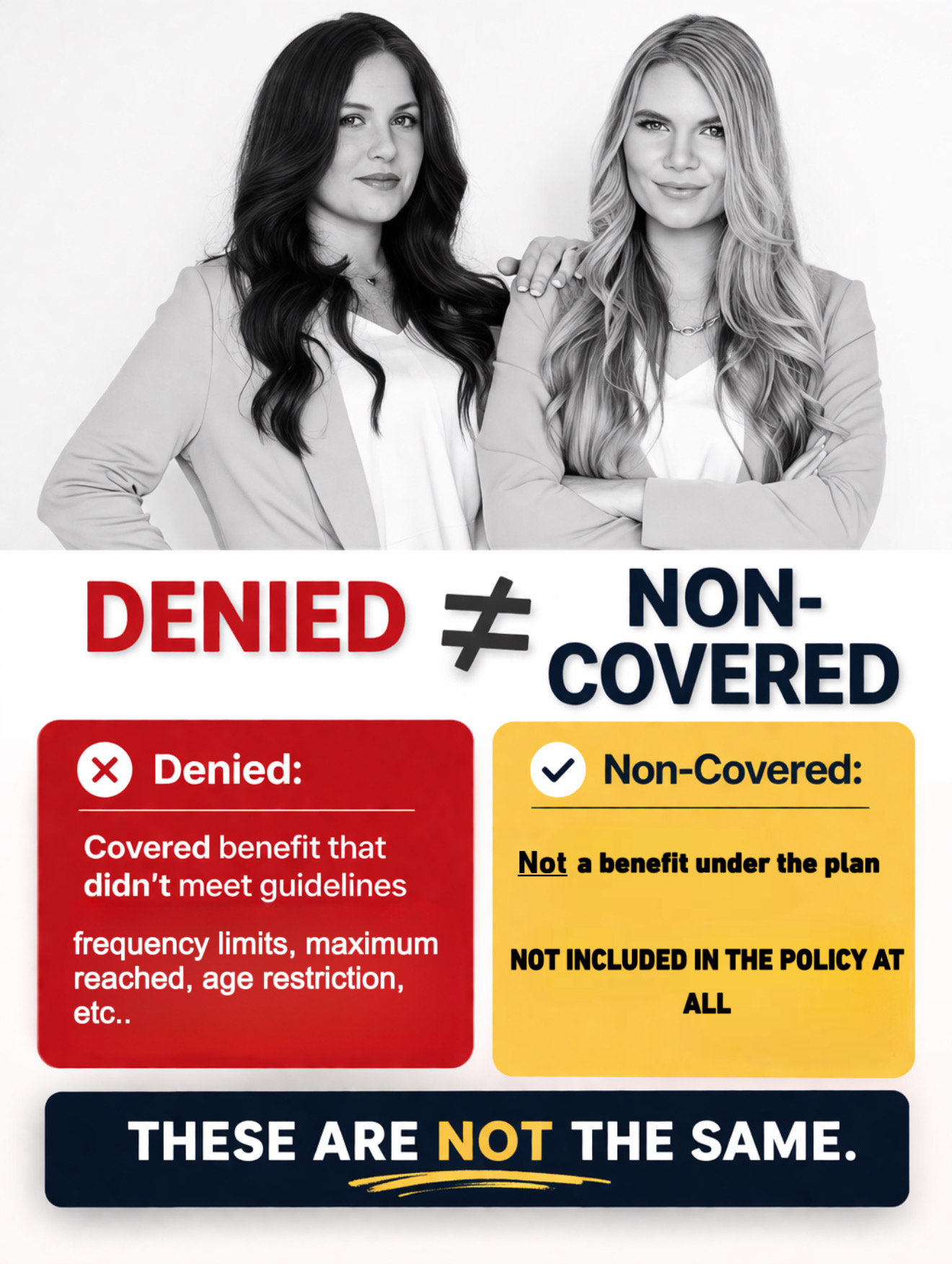
This refers to a dental procedure that is never covered under the patient’s insurance policy. The service simply does not exist within the plan’s list of covered benefits.
When verifying insurance coverage, the insurance company may clearly state that a procedure is “not a covered benefit.” In these situations, the service is outside the scope of the patient’s policy entirely.
In many states, when a service is truly not covered under the policy, dental practices are generally allowed to charge the full office fee rather than being restricted to the contracted in-network fee schedule.
Understanding this distinction is important because incorrectly applying a contractual adjustment in these situations can result in unnecessary revenue loss for the practice.
When a Procedure Is Covered but Not Payable
One of the most common billing mistakes occurs when offices assume that any unpaid claim automatically qualifies as a non-covered benefit.
However, if a procedure would normally be covered under the patient’s insurance policy but is denied due to plan limitations or guidelines, it is still considered a covered benefit, even though the insurance company did not issue payment.
Common examples include:
• Frequency limitations (such as exams or cleanings performed too soon)
• Plan waiting periods
• Missing documentation or required attachments
• Plan-specific coverage guidelines
In these situations, the procedure remains part of the plan’s covered services, even though payment was denied for that particular claim.
Because the service is still considered a covered benefit, participating providers are typically required to honor the contracted in-network fee schedule, meaning the patient must receive the negotiated insurance discount.
Why This Distinction Matters
Failing to correctly identify whether a procedure is truly not covered or a covered service that is simply not payable can create significant billing problems.
Some of the most common issues we see include:
• Incorrect contractual adjustments
• Loss of revenue due to unnecessary fee reductions
• Inaccurate patient balances
• Confusion when explaining charges to patients
Over time, these small errors can quietly add up and impact the financial health of a practice.
The Importance of Understanding Insurance Contracts
Every dental insurance participation agreement outlines how providers must handle billing for covered and non-covered services.
Because policies vary between carriers and states, correctly interpreting insurance responses requires careful review of:
• explanation of benefits (EOBs)
• participation agreements
• plan benefit structures
• state guidelines regarding non-covered services
Without a clear understanding of these details, billing errors can easily occur.
Clear Communication With Patients
When procedures are not paid by insurance, patients often assume the office made an error. Being able to clearly explain why a service was not covered helps maintain transparency and trust.
Dental teams should take the time to:
• verify benefits when possible before treatment
• review EOB explanations carefully
• explain the difference between non-covered benefits and plan limitations
Providing clear financial explanations helps patients better understand their insurance coverage and prevents confusion later.
Final Thoughts
Dental insurance billing is filled with small details that can have a significant impact on practice revenue. The difference between a true non-covered benefit and a covered procedure that simply did not pay may seem minor, but it can dramatically affect how fees and adjustments should be applied.
Unfortunately, this distinction is one of the most commonly misunderstood areas of dental billing.
At Steadfast Billing Solutions, we frequently review accounts where incorrect adjustments were made simply because denied vs not a covered benefit rules were misunderstood. These mistakes often lead to lost revenue and unnecessary confusion for both practices and patients.
When insurance billing is handled with careful attention to plan details, participation agreements, and fee schedule rules, practices can avoid these issues and maintain accurate financial records.
If your office has ever questioned whether adjustments are being applied correctly—or if you simply want a second set of eyes on your billing processes—a professional billing review can often reveal opportunities to improve accuracy and protect revenue.
Steadfast Billing Solutions partners with dental practices to ensure claims, adjustments, and insurance workflows are handled correctly so offices can focus on what matters most: providing exceptional patient care.